
>Do you want a medal you caca? You're clearly such a great lad for willingly listening to optional brownoid nonsense for the grand reward of nothing! Get out of your own arse you dope.
  • Welcome. Registering and having your account be approved may take a while since there's only one guy checking and approving accounts and guestposts

Soyjak blog

  • Thread starter Thread starter Cat
  • Start date Start date
  • Defunct 
  • Tags Tags
    dead failsite glowberg jerry is a dummyed cacaot kill glowberg pedophile site pushing thirty rotting corpse zombified
Dead site/group/whatever

Lock this thread?


  • Total voters
    36
  • Poll closed .
Status
Not open for further replies.
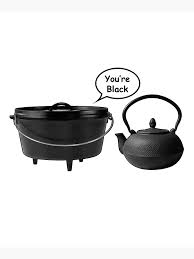
Buckle up fellas, this is going to be a ride: Why "The Pot Calling the Kettle Black" Might Be More Problematic Than You Think.

Let’s get weirdly deep about something you’ve probably heard your grandma say when calling someone out. You know the phrase “That’s the pot calling the kettle black.” It’s usually used when someone is being a hypocrite, like if a chronic liar calls someone else dishonest. Harmless, right?


But what if... it’s not? What if this seemingly innocent kitchen metaphor is actually kind of low-key problematic?


Let’s break it down.


Back in the olden days (like 1600s-type old), pots and kettles were made out of cast iron. You’d stick them over an open flame, and over time they’d get covered in black soot. So the idea was: “Hey, pot, you’re calling the kettle black when you’re literally just as sooty.” It’s a clever jab at people who don’t see their own flaws while pointing out others’.


But here’s where things start getting shitoko That phrase uses “black” as shorthand for something bad. Dirty. Flawed. And if you start paying attention, it turns out that a lot of English phrases do the same thing. “Black mark,” “blacklist,” “blackmail,” “black sheep.” It’s always something negative. Meanwhile, “white” gets all the good PR, “white knight,” “white lie,” “white glove service.” You see the pattern?


So even if the original phrase was just about soot, we’ve inherited a language where black = bad and white = good. And when you put that in the context of a world that already has centuries of racial bias baked into basically everything, it gets a little uncomfortable.


Now, to be clear: I’m not saying using this phrase makes someone racist. Most people aren’t even thinking about it that deeply. But the way language shapes thought is real. Even if it’s unintentional, it still reflects how society has linked certain colors with certain values, and let’s be honest, that alignment isn't exactly racially neutral.


Here’s the ironic part. If someone called out the phrase for being racist, and you told them they were overreacting... wouldn’t that kind of be you calling them the pot calling the kettle black? Yeah. Meta as hell.


So next time someone drops this idiom, maybe just pause for a second. It doesn’t mean we all need to banish the phrase from Earth, but it’s worth asking why “black” always seems to take the L in our metaphors. Words matter. And sometimes, even grandma’s favorite sayings carry a little more baggage than they let on.

 
Buckle up fellas, this is going to be a ride: Why "The Pot Calling the Kettle Black" Might Be More Problematic Than You Think.

Let’s get weirdly deep about something you’ve probably heard your grandma say when calling someone out. You know the phrase “That’s the pot calling the kettle black.” It’s usually used when someone is being a hypocrite, like if a chronic liar calls someone else dishonest. Harmless, right?


But what if... it’s not? What if this seemingly innocent kitchen metaphor is actually kind of low-key problematic?


Let’s break it down.


Back in the olden days (like 1600s-type old), pots and kettles were made out of cast iron. You’d stick them over an open flame, and over time they’d get covered in black soot. So the idea was: “Hey, pot, you’re calling the kettle black when you’re literally just as sooty.” It’s a clever jab at people who don’t see their own flaws while pointing out others’.


But here’s where things start getting shitoko That phrase uses “black” as shorthand for something bad. Dirty. Flawed. And if you start paying attention, it turns out that a lot of English phrases do the same thing. “Black mark,” “blacklist,” “blackmail,” “black sheep.” It’s always something negative. Meanwhile, “white” gets all the good PR, “white knight,” “white lie,” “white glove service.” You see the pattern?


So even if the original phrase was just about soot, we’ve inherited a language where black = bad and white = good. And when you put that in the context of a world that already has centuries of racial bias baked into basically everything, it gets a little uncomfortable.


Now, to be clear: I’m not saying using this phrase makes someone racist. Most people aren’t even thinking about it that deeply. But the way language shapes thought is real. Even if it’s unintentional, it still reflects how society has linked certain colors with certain values, and let’s be honest, that alignment isn't exactly racially neutral.


Here’s the ironic part. If someone called out the phrase for being racist, and you told them they were overreacting... wouldn’t that kind of be you calling them the pot calling the kettle black? Yeah. Meta as hell.


So next time someone drops this idiom, maybe just pause for a second. It doesn’t mean we all need to banish the phrase from Earth, but it’s worth asking why “black” always seems to take the L in our metaphors. Words matter. And sometimes, even grandma’s favorite sayings carry a little more baggage than they let on.

no arrow
 
>
GuPoxEFWYAEpxJl (1).jpeg
 
Buckle up fellas, this is going to be a ride: Why "The Pot Calling the Kettle Black" Might Be More Problematic Than You Think.

Let’s get weirdly deep about something you’ve probably heard your grandma say when calling someone out. You know the phrase “That’s the pot calling the kettle black.” It’s usually used when someone is being a hypocrite, like if a chronic liar calls someone else dishonest. Harmless, right?


But what if... it’s not? What if this seemingly innocent kitchen metaphor is actually kind of low-key problematic?


Let’s break it down.


Back in the olden days (like 1600s-type old), pots and kettles were made out of cast iron. You’d stick them over an open flame, and over time they’d get covered in black soot. So the idea was: “Hey, pot, you’re calling the kettle black when you’re literally just as sooty.” It’s a clever jab at people who don’t see their own flaws while pointing out others’.


But here’s where things start getting shitoko That phrase uses “black” as shorthand for something bad. Dirty. Flawed. And if you start paying attention, it turns out that a lot of English phrases do the same thing. “Black mark,” “blacklist,” “blackmail,” “black sheep.” It’s always something negative. Meanwhile, “white” gets all the good PR, “white knight,” “white lie,” “white glove service.” You see the pattern?


So even if the original phrase was just about soot, we’ve inherited a language where black = bad and white = good. And when you put that in the context of a world that already has centuries of racial bias baked into basically everything, it gets a little uncomfortable.


Now, to be clear: I’m not saying using this phrase makes someone racist. Most people aren’t even thinking about it that deeply. But the way language shapes thought is real. Even if it’s unintentional, it still reflects how society has linked certain colors with certain values, and let’s be honest, that alignment isn't exactly racially neutral.


Here’s the ironic part. If someone called out the phrase for being racist, and you told them they were overreacting... wouldn’t that kind of be you calling them the pot calling the kettle black? Yeah. Meta as hell.


So next time someone drops this idiom, maybe just pause for a second. It doesn’t mean we all need to banish the phrase from Earth, but it’s worth asking why “black” always seems to take the L in our metaphors. Words matter. And sometimes, even grandma’s favorite sayings carry a little more baggage than they let on.

 
This noob thinks about 'p 24/7 Jesus fuck. I have never seen someone who consistently brings up child rape and child porn unprompted every single time and not be a fucking weirdo freak behind the scenes. He immediately started projecting on the OP of that thread saying he was a pedophile and brought up that pedonoob out of nowhere

[TOOLTIP=Intentional ESL]Check him PC. That is not normally[/TOOLTIP]
View attachment 35353
>Constantly calls others pedophiles over nothing (exsample: being an australian)
>Favorite Variant is Shitlita
>Constantly enables known pedophiles on his site
122528 - SoyBooru.png
 
Status
Not open for further replies.
Back
Top Bottom